UPSC Aspirant Scam Alert — Fake Results & Fraud Warning has become a highly relevant topic as thousands of civil services aspirants across India are being targeted by fraudsters. These scams promise guaranteed selection, fake interview calls, or manipulated results, exploiting the dreams and hard work of students preparing for one of India’s toughest examinations.
The growing discussion around UPSC Aspirant Scam Alert — Fake Results & Fraud Warning shows the urgent need for awareness, digital caution, and trust only in official sources. With intense competition and emotional pressure, aspirants can sometimes fall into traps that lead to financial loss and mental stress.
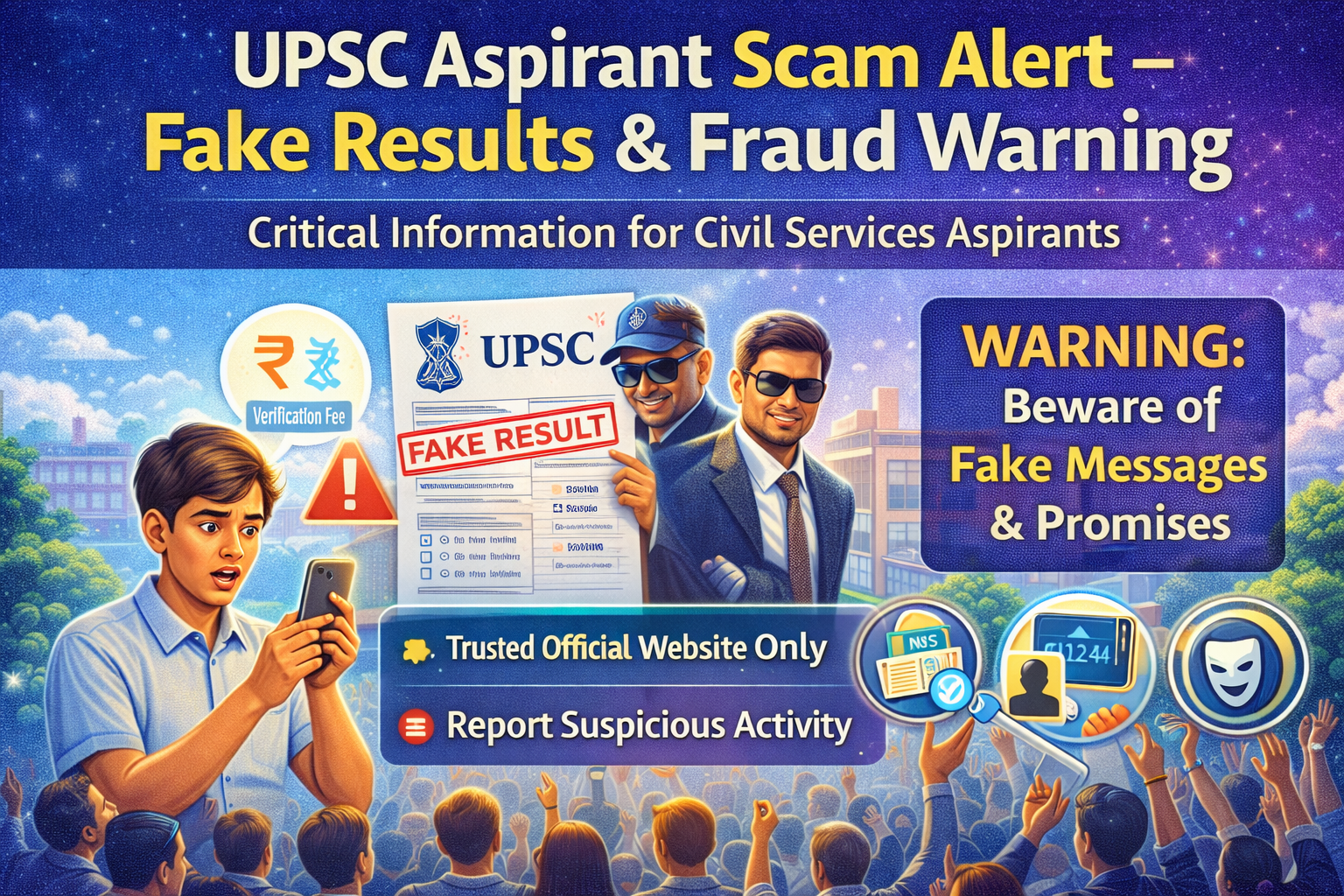
Understanding the UPSC Aspirant Scam Problem
To understand why UPSC Aspirant Scam Alert — Fake Results & Fraud Warning is trending, it is important to know how these scams operate. Fraudsters often use:
Fake emails or messages claiming UPSC selection
WhatsApp groups with false toppers’ lists
Paid “guaranteed rank” coaching offers
Fake interview call letters
Such activities make UPSC Aspirant Scam Alert — Fake Results & Fraud Warning a serious concern for students and parents alike.
Why UPSC Aspirants Are Targeted
The Civil Services Examination is highly competitive, and this pressure is exactly why UPSC Aspirant Scam Alert — Fake Results & Fraud Warning matters so much.
Reasons aspirants become vulnerable:
Limited number of seats
Long preparation period
Emotional and financial investment
High family expectations
Scammers exploit this pressure, making UPSC Aspirant Scam Alert — Fake Results & Fraud Warning an essential awareness topic.
Common Types of UPSC Scams
A major reason UPSC Aspirant Scam Alert — Fake Results & Fraud Warning is gaining nationwide attention is the increasing number of well-planned scams targeting civil services aspirants. These scams are designed to look convincing, professional, and urgent, making them especially dangerous. Understanding how each scam works is the first step toward prevention.
1. Fake Result Messages – The Most Common Trap
Fake result messages are among the most widespread scams, making them a key concern under UPSC Aspirant Scam Alert — Fake Results & Fraud Warning.
How the scam works:
Aspirants receive SMS, WhatsApp messages, or emails claiming they have cleared the UPSC exam.
Messages often include official-looking language, fake roll numbers, and forged UPSC logos.
The aspirant is asked to pay a “verification fee,” “document processing charge,” or “final confirmation amount.”
Why it is dangerous:
The message creates emotional excitement and urgency.
Students act quickly without verification due to shock or happiness.
Once payment is made, scammers disappear.
Important fact:
👉 UPSC never asks for money after results are declared.
This is a crucial point emphasized in every UPSC Aspirant Scam Alert — Fake Results & Fraud Warning advisory.
2. Guaranteed Selection Offers – The Shortcut Illusion
Another major reason UPSC Aspirant Scam Alert — Fake Results & Fraud Warning is trending is the rise of “guaranteed selection” scams.
How the scam works:
Fraudsters claim they have inside connections within UPSC.
They promise guaranteed selection in exchange for large sums of money.
Some claim access to leaked question papers or interview manipulation.
Why aspirants fall for it:
UPSC preparation is long and stressful.
Repeated failures increase emotional vulnerability.
Aspirants may be tempted by shortcuts under pressure.
Reality check:
👉 UPSC is one of the most transparent and secure examination systems in India.
There is no shortcut, influence, or leaked paper, making these claims completely false.
3. Fake Coaching Institute Websites – The Digital Deception
Fake coaching institute websites are a growing digital threat, strongly linked to UPSC Aspirant Scam Alert — Fake Results & Fraud Warning.
How the scam works:
Scammers create websites that closely resemble popular coaching institutes.
They copy logos, testimonials, and course descriptions.
Aspirants are asked to pay for “special batches,” “topper notes,” or “exclusive mentorship.”
Warning signs:
Poor grammar or spelling errors
Unofficial payment gateways
No physical address or verifiable contact details
Why this scam is harmful:
Students lose money and valuable preparation time.
Fake materials mislead aspirants academically.
This is why UPSC Aspirant Scam Alert — Fake Results & Fraud Warning emphasizes verifying websites before enrollment.
4. Fake Interview Call Letters – The Final Stage Fraud
Fake interview call letters are particularly dangerous because they target aspirants at an advanced stage, making UPSC Aspirant Scam Alert — Fake Results & Fraud Warning extremely relevant.
How the scam works:
Aspirants receive forged interview call letters via email or messaging apps.
The letter includes official-looking seals and signatures.
Students are asked to pay processing fees, travel charges, or document verification fees.
Why it works:
Aspirants are emotionally invested after clearing earlier stages.
The fear of missing an interview pushes them to act fast.
Key truth:
👉 UPSC does not charge any fee for interviews.
All interview schedules are published only on the official UPSC website.
🚨 Why These Scams Must Be Taken Seriously
These scams are carefully designed to exploit:
Emotional pressure
Lack of digital awareness
Trust in authority symbols
That is why UPSC Aspirant Scam Alert — Fake Results & Fraud Warning is not just news, but a critical awareness message for every aspirant.
How Fake Results Mislead Aspirants
Fake result scams are among the most dangerous, making UPSC Aspirant Scam Alert — Fake Results & Fraud Warning especially important.
Such messages:
Use official-looking logos
Mention roll numbers randomly
Create urgency for payment
Students should remember that UPSC never asks for money after results, which is a key lesson from UPSC Aspirant Scam Alert — Fake Results & Fraud Warning.
Official UPSC Communication Rules
One of the strongest safeguards highlighted by UPSC Aspirant Scam Alert — Fake Results & Fraud Warning is understanding how UPSC communicates.
Official UPSC practices:
Results published only on the official website
No selection confirmation via WhatsApp or SMS
No payment demanded after application stage
Knowing these facts helps aspirants stay safe, which is why UPSC Aspirant Scam Alert — Fake Results & Fraud Warning is vital.
Impact of Scams on Students
The emotional and financial damage caused explains why UPSC Aspirant Scam Alert — Fake Results & Fraud Warning deserves attention.
Negative impacts include:
Loss of hard-earned money
Mental stress and anxiety
Loss of confidence
Disruption in preparation
By spreading awareness, UPSC Aspirant Scam Alert — Fake Results & Fraud Warning helps protect future aspirants.
Role of Digital Awareness
Digital literacy plays a crucial role in preventing fraud, making UPSC Aspirant Scam Alert — Fake Results & Fraud Warning a digital safety issue as well.
Students should:
Verify URLs carefully
Avoid clicking unknown links
Never share personal documents
Cross-check information from official sources
These habits support the message of UPSC Aspirant Scam Alert — Fake Results & Fraud Warning.
What Aspirants Should Do If They Suspect a Scam
Another important aspect of UPSC Aspirant Scam Alert — Fake Results & Fraud Warning is action.
Steps to take:
Do not respond or pay
Save evidence (screenshots, messages)
Report to cybercrime portal
Inform fellow aspirants
Taking action strengthens the impact of UPSC Aspirant Scam Alert — Fake Results & Fraud Warning.
Role of Parents and Teachers
Parents and mentors play a critical role in spreading UPSC Aspirant Scam Alert — Fake Results & Fraud Warning awareness.
They should:
Encourage verification before payment
Discuss scams openly
Support rational decision-making
This collective effort amplifies the purpose of UPSC Aspirant Scam Alert — Fake Results & Fraud Warning.
Why Awareness Is the Best Protection
The growing number of incidents proves that UPSC Aspirant Scam Alert — Fake Results & Fraud Warning is not just news but a preventive lesson.
Awareness:
Saves money
Protects mental health
Builds responsible exam culture
Encourages ethical preparation
Positive Message for UPSC Aspirants
Despite scams, it is important to stay motivated. UPSC Aspirant Scam Alert — Fake Results & Fraud Warning reminds aspirants that:
There are no shortcuts to success
Honest preparation is the only path
Trust official sources only
This positive outlook is a key takeaway from UPSC Aspirant Scam Alert — Fake Results & Fraud Warning.
✅ Final Awareness Tip for Aspirants
Trust only the official UPSC website
Never pay money for selection, results, or interviews
Verify every message before reacting
Discuss suspicious offers with mentors or parents
Understanding these scams in depth ensures that UPSC Aspirant Scam Alert — Fake Results & Fraud Warning serves its true purpose—protecting aspirants, their dreams, and their future.
UPSC Aspirant Scam Alert — Fake Results & Fraud Warning is a crucial reminder for every civil services aspirant to remain alert, informed, and cautious. In an era of digital communication, awareness is the strongest defense against fraud.
By understanding how scams work and relying only on official information, aspirants can safeguard their dreams. Ultimately, UPSC Aspirant Scam Alert — Fake Results & Fraud Warning serves as both a warning and a guide toward safe, ethical, and confident UPSC preparation.

One Response